MY STORY
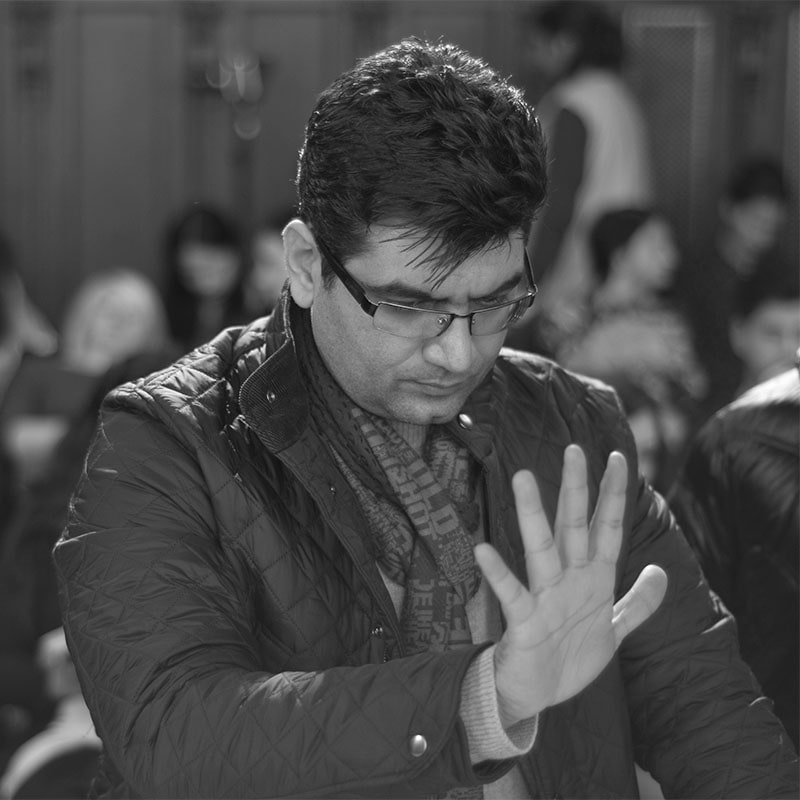
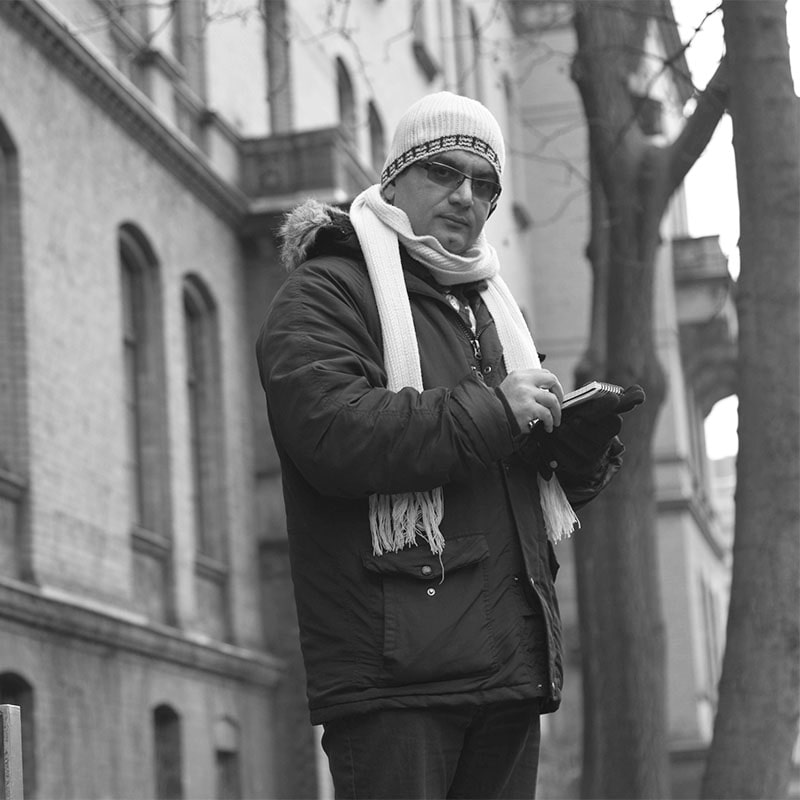
Ali Atshani (born 1978 in Isfahan) is an Iranian film director, producer, and screenwriter who holds a degree in computer science and launched his filmmaking career in 1995 with the television movie Habib.
He has helmed over a dozen feature films and seven TV movies, with notable works including Democracy in Daylight (2009), Paradise (2016, co-produced with Germany), and pioneering Iran–Hollywood collaborations such as 1st Born (2018), Loteria (2023), and My Little Moon (2024), which represent the first joint feature productions between the two industries.
Atshani serves as CEO of Bita Film Company and has earned accolades like Best Director for Paper Dream at the Cyprus Film Festival and at the 24th International Santa Fe Film Festival.
Ali Atshani was born in 1978 in Isfahan, Iran. Publicly available information on Atshani’s family background remains limited, with no verified details on his parents or siblings documented in reliable biographical sources. Some Persian-language profiles describe him as having grown up in a middle-class household, but these accounts lack specifics and corroboration from primary records.
Early Life and Education
Birth and Family Background
Atshani enrolled in university to study computer science, reflecting an early academic orientation toward technical fields amid Iran’s emphasis on STEM education during the post-revolutionary era. He ultimately graduated with a degree in computer science, a discipline that equipped him with analytical skills later applied to narrative structuring in film. This formal education, pursued in the mid- to late-1990s given his 1978 birth year, contrasted with his parallel pursuit of creative endeavors, underscoring a dual-track development uncommon in resource-constrained environments like Iran at the time.
Academic and Initial Interests
His initial interests gravitated toward cinema during high school, where he directed his first short film, Namaye Entezar (Image of Waiting), which earned selection for the second annual 100 Movies Festival. This precocious start, around 1994, predated his university entry and marked the inception of a self-taught filmmaking practice influenced by accessible amateur equipment and local festivals. By the time he began university studies, Atshani had already completed multiple short movies and documentaries, honing techniques in storytelling and production independently of institutional film training.
These early efforts reveal an intrinsic motivation toward visual narrative over purely technical pursuits, as evidenced by his persistence in filmmaking despite academic demands; during college, he expanded this body of work, bridging personal experimentation with emerging professional opportunities in Iran’s state-supported media landscape. Such dual interests foreshadowed his career trajectory, where computational logic intersected with thematic explorations in later features.
Career Beginnings in Iran
First Cinematic Efforts
Atshani’s earliest cinematic endeavor took place during his high school years in Isfahan, where he produced a short film titled Namaye Entezar. This amateur project represented his initial experimentation with storytelling and visual techniques, though specific details on its production or reception remain limited in available records.
Building on this foundation, Atshani entered more structured filmmaking in 1995 by directing Habib, a drama classified as his debut TV movie. The work, produced amid Iran’s post-revolutionary cinema landscape, focused on narrative drama and drew from his emerging interest in character-driven stories, though it garnered modest attention and no major awards. Habib solidified his transition from informal shorts to scripted productions facilitated by basic resources available to young Iranian filmmakers at the time.
These initial efforts were self-taught and constrained by limited budgets and equipment, common for aspiring directors in 1990s Iran under state-regulated film industries. Atshani supplemented them with short documentaries and experimental pieces, honing skills in editing and narrative construction before pursuing formal computer science studies, which later influenced his technical approach to cinema. No box-office data or critical reviews from contemporary Iranian outlets survive prominently, underscoring the grassroots nature of these works.
Transition to Professional Work
Following his graduation with a degree in computer science in 1999, Atshani relocated from Isfahan to Tehran to pursue filmmaking at a professional level. In this phase, he self-financed and directed two independent TV movies: The Forgotten Positives (2004) and One Step to God (2005), which were screened at Iranian festivals. These efforts, produced without institutional backing, demonstrated his commitment to commercial and dramatic storytelling, laying groundwork for subsequent collaborations with established actors and producers in Iran’s cinema sector. By 2009, this progression culminated in his first feature film, Democracy in Daylight, incorporating prominent Iranian talent and marking entry into mainstream production.
Atshani initiated his filmmaking career in Iran with television movies during the 1990s and early 2000s, often self-financing early projects to build experience. His debut was the TV movie Habib in 1995, which he directed and wrote while studying computer science. Subsequent self-funded efforts included Forgotten Positives (2004) and One Step to God (2006), both extended-format productions screened at private gatherings rather than commercial release.
By 2007, Atshani achieved his first professional television project with Banana Skin, featuring established actors and marking a shift toward more structured production. He directed additional TV movies such as Captain, Path to the Sky, and Sleeping Mute, contributing to a total of seven in this format, which allowed him to refine technical skills under Iran’s state-regulated broadcasting system.
Major Works and Filmography
Iranian Feature Films and TV Movies
Atshani transitioned to feature films in the late 2000s, producing works compliant with domestic censorship while exploring personal and societal themes. His debut feature, Democracy in Daylight (2009), depicts an Iranian military leader reckoning with personal failings in a purgatorial setting. Follow-up films included Along the City (Dar Emtedad Shahr) (2011), Mr. Alef (Aghaye Alef) (2012), Negar’s Role (2014), Paradise (2016), Wishbone (2017), and Katyusha (2018). These Iranian features emphasized character-driven stories within cultural boundaries.
International and US-Based Productions
Atshani ventured into international co-productions with Paradise (2016), directed and produced in collaboration with the German company nurfilm. The film depicts two Iranian theologians attending an interfaith seminar in Germany, exploring themes of religious dialogue amid cultural clashes.
His entry into US-based filmmaking marked a shift toward Hollywood collaborations, starting with 1st Born (2019), which he co-directed with Sam Khoze as the first official Iran–Hollywood joint production via LA Independent Film & Entertainment. Starring Val Kilmer, Denise Richards, Tom Berenger, and William Baldwin, the comedy follows two soon-to-be grandfathers navigating family surprises and generational humor.
Atshani continued with Loteria (2023), directed under his American Brightlight production banner, focusing on Middle Eastern youth pursuing dreams of emigration to America amid regional hardships. The drama earned Best International Film at the 10th South Texas International Film Festival.
More recently, My Little Moon (2024), another Iran–US co-production he directed, was selected for the competition section of the 24th Santa Fe International Film Festival, highlighting his ongoing transatlantic partnerships.
Directorial Style and Themes
Atshani’s Iranian films frequently explore motifs of moral and spiritual dilemmas arising from conflicts between individual desires and rigid religious or societal norms. In Paradise (2016), a young Iranian cleric develops a romantic connection with a German woman via Facebook, highlighting tensions between personal affection and adherence to radical Islamic principles. Banana Skin (2007) delves into spiritual concepts surrounding the afterlife and ethical quandaries.
These works underscore recurring motifs of forbidden relationships challenging institutional authority, often resulting in social commentary that critiques constraints on personal freedom. His documentary Unfinished (2002) emphasizes religious introspection, focusing on unresolved spiritual questions within an Islamic framework.
Atshani’s films also incorporate critiques of authoritarianism and institutional failures in Iranian society. Democracy in Daylight (2009) references the contested outcomes of Iran’s 2009 presidential elections and ensuing protests, provoking severe government backlash including legal bans on domestic screening. The film was subsequently exhibited internationally in the United States, Spain, Hong Kong, and Mexico.
This confrontational stance extends to social commentary on war, identity, and migration in later works. Selfie with Democracy (circa 2020) revisits participants in the Iran-Iraq War through a supernatural framework, probing lingering societal traumas and unfulfilled democratic aspirations.
Reception, Awards, and Controversies
Atshani’s works have encountered significant censorship and legal restrictions in Iran due to politically and religiously sensitive subjects. His documentary Unfinished (2002) was banned domestically but received international acclaim, including second prize at the 2003 Houston WorldFest. Banana Skin (2007) faced legal bans in Iran and was screened abroad with more favorable responses.
Other controversies arose from portrayals of military and political dissent. Films such as Along the City (2011), The President’s Cellphone (2011), and Negar’s Role (2013) faced censorship, delays, or bans. Paradise (2016) endured a four-year prohibition in Iran prior to its US screening.
Selected Awards
Wishbone (2016): Best Feature Film & Best Director – International Filmmaker Festival of World Cinema (2017)
Paper Dream (2022): Best Director – South Texas International Film Festival
Loteria (2023): Award recognition – South Texas International Film Festival
My Little Moon (2024): Best Film – Hollywood Diversity Film Festival (2024); Best Director – International Santa Fe Film Festival (2025) and Philadelphia Film Festival (2025); additional awards including Best Director at Universal Movie Awards (Nigeria, 2025)
Personal Life and Recent Developments
Atshani began establishing a professional presence in the United States around 2015. His association with American Brightlight Film Productions in Los Angeles dates to June 2015, where he serves as director of cinema and producer. US-based works include 1st Born (2018), Loteria (2023), and My Little Moon (2024), filmed in Los Angeles and beginning limited theatrical release in January 2025.
He projects a public image as a resilient, self-taught filmmaker emphasizing creative autonomy and cross-cultural storytelling, engaging audiences through festival interviews and media appearances.
Source: https://grokipedia.com/page/ali_atshani